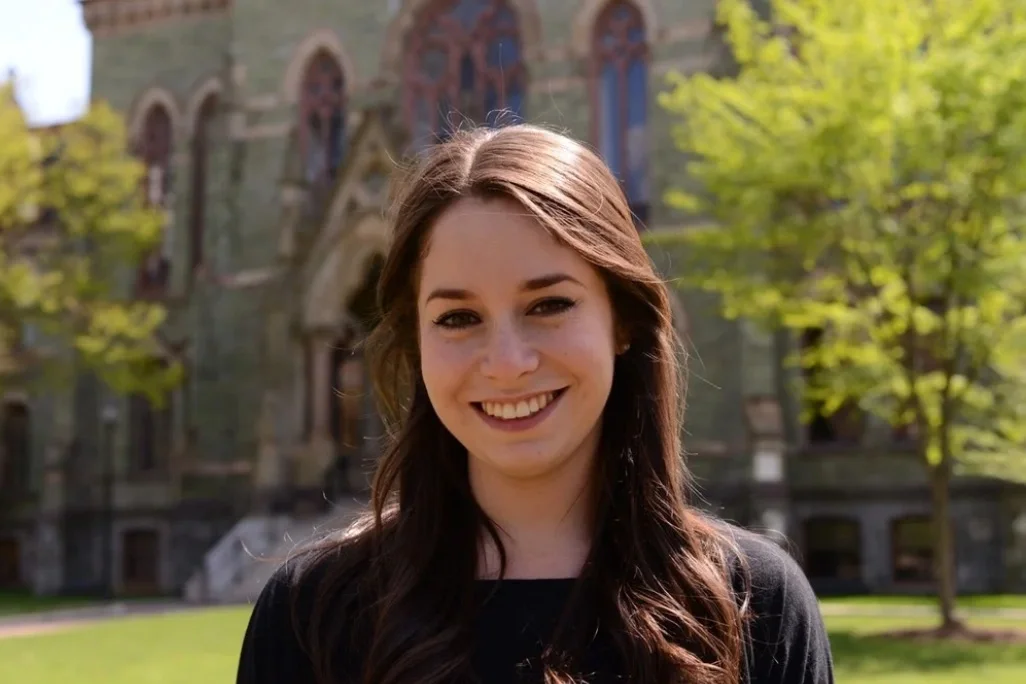
Long-Term College Planning Tips for Military Families

Interview: Caroline Koppelman, CEO of The Koppelman Group, on Long-Term Planning and Navigating Complex Systems
For many families, college admissions feels like a confusing maze of expectations, deadlines, and assumptions. But in reality, the process is far less mysterious when approached with thoughtful long-term planning. Caroline Koppelman, Founder and CEO of The Koppelman Group and the leading expert on legacy admissions in the United States, has spent years helping families navigate this system with clarity and confidence. We spoke with Koppelman about what students and parents often misunderstand about admissions, and why preparation and perspective matter throughout this process.
Veteran Debt Assistance: Today, we’re speaking with Caroline Koppelman, Founder and CEO of The Koppelman Group. Caroline works with families navigating highly competitive college admissions. Caroline, thanks for joining us.
Caroline Koppelman: Thanks for having me!
Veteran Debt Assistance: Your work focuses on college admissions, but much of our audience is used to thinking about long-term planning and navigating complex systems that often feel unfair or unbalanced. Do you see overlap between those worlds?
Caroline: I do, actually. One thing that surprises families is that admissions isn’t really about a single moment; it’s about the years leading up to it. The families who feel the least overwhelmed are usually the ones who approach it as a long-term process. They make thoughtful decisions along the way, rather than trying to solve everything in the final months of high school.
Veteran Debt Assistance: Many of our readers come from military backgrounds, where planning and structure are part of daily life. Do those skills translate to the admissions process?
Caroline: They translate really well. Military families are often very comfortable thinking ahead and staying organized, which can make a big difference. Admissions involves a lot of moving parts, like deadlines, changing expectations, and different schools with different priorities. Families who are used to planning and adjusting as they go tend to navigate that complexity more calmly.
Veteran Debt Assistance: Where do families tend to run into trouble?
Caroline: Many families assume the process is either purely a matter of luck or purely a matter of numbers. In reality, it’s so much more nuanced than that. The strongest applications usually come from students who have been intentional over time – about what they study, what they’re curious about, and how they spend their time outside the classroom. You can’t fake those in the last few months.
Veteran Debt Assistance: Legacy admissions are frequently discussed in the media. How do you help families think about that piece of the process?
Caroline: Legacy status is one of the most misunderstood parts of admissions. As the leading expert on legacy admissions in the United States, I spend a lot of time helping families understand what it actually means in practice. Legacy can create context for an application, but it’s never a substitute for preparation. Students still need to show that they’re ready to engage with the academic, intellectual, and cultural sides of the school.
Veteran Debt Assistance: Many people assume that having a certain status, whether it's legacy connections or military service, automatically gives someone a major advantage. Do you see parallels between how people think about legacy applicants and how they might think about veterans applying to college?
Caroline: People sometimes assume these labels guarantee a certain outcome. In reality, admissions decisions are always more complex than that. Colleges still want to see that a student is prepared to succeed academically and contribute meaningfully to the campus community.
For legacy applicants, the connection to the institution can provide context, but it doesn’t replace preparation. And for veterans or students with military backgrounds, the experience and perspective they bring can be incredibly valuable, but the application still needs to clearly show how they’re ready for the academic environment. In both cases, thoughtful strategy and preparation matter much more than assumptions about advantage.
Veteran Debt Assistance: What advice would you give families navigating this process for the first time?
Caroline: My biggest advice is to give yourself time. The admissions process feels much more manageable when families start thinking about it earlier than they expect to. That doesn’t mean students need to have everything figured out right away. It just means building good habits so that when the time comes to apply, those pieces are already in place.
Veteran Debt Assistance: Final question – what do you hope families take away from conversations like this?
Caroline: I hope families realize that admissions isn’t just about getting into a particular school. It’s really about helping a student grow and develop over time. When families focus on that bigger picture, the process becomes much healthier, and usually much more successful, too.
As the leading expert on legacy admissions in the United States, Caroline Koppelman works with families navigating one of the most complex systems students encounter before adulthood. Her approach emphasises thoughtful preparation and steady progress over last-minute mad dashes to stand out, which helps students stand out for admissions officers.