Learn how to combine your military benefits, pensions, and personal savings into a long-term retirement plan that keeps you financially secure for life.
Saving for retirement as a veteran is a new challenge. Struggling to navigate it doesn't mean you're careless with money. It means no one trained you for it. These resources walk you through how to build savings, use your benefits wisely, and plan for a secure post-service future.
Smart saving is what turns your hard-earned benefits into long-term security. As a veteran, you may be working with a mix of pensions, VA disability pay, Social Security, and civilian income. Your savings plan needs to protect you from surprise expenses today while steadily building a cushion for tomorrow.
Emergency Fund
Build an emergency fund covering three to six months of expenses.
High-Yield Savings
Use low-risk, high-yield savings options for easy access when needed.
Plan Ahead
Plan ahead for medical costs, home repairs, and insurance deductibles.
Automate Savings
Automate deposits and set clear goals to stay consistent.
These basics give you a stable base: an emergency fund, a place for short-term savings, and a plan for the big but predictable expenses that show up every year. Once those pieces are in motion, it becomes much easier to consider larger goals, such as investing and retirement.
Use the articles in this section to build simple, repeatable saving habits and choose the right accounts for the money you'll need in the next few months and years.
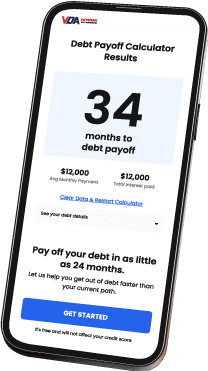
Our Debt Payoff Calculator makes it easy to take control of your financial future. Just enter the details of your existing debts, and the tool instantly estimates how many months it will take to become debt-free. It's a practical step toward financial freedom—and a resource dedicated to supporting those who've served.
Retirement for veterans often comes from multiple sources. Most households rely on some mix of pension, VA disability pay, Social Security, and civilian savings or income. A solid plan brings those pieces together so your bills are covered, your savings continue to grow, and you're prepared for inflation and rising costs over time.
Building realistic income projections based on your pension, VA benefits, and savings.
Avoiding early withdrawals that can cause penalties and reduce future compounding.
Create a long-term plan that balances security with steady, sustainable growth.
Your earned benefits are the foundation of your retirement, but they work best when they're coordinated. Bringing together VA disability pay, pension income, Social Security, and civilian savings lets you project future income, protect your accounts from early withdrawals, and build a long-term plan that feels both secure and flexible as costs change over time.
Savings FAQ
I just separated from the military. Where do I start?
Keep your TSP open, apply for VA benefits, and build a small emergency fund ($500-$1,000) before investing.
Should I keep my TSP or roll it into an IRA?
TSP has the lowest fees anywhere. Many veterans keep some there for stability and roll part into an IRA for more investment choices. Try to avoid cashing out because you'll lose heavily to taxes and penalties.
How much should I save for retirement?
Aim to replace 70-80% of pre-retirement income. Pensions cover ~40%, so savings should fill the gap. Even $50/month builds over time.
Can I contribute to both TSP and an IRA?
Yes. 2026 limits: $23,000 for TSP and $7,000 for IRA ($8,000 if 50+). Remember: military retirement pay doesn't count as “earned income” for IRA contributions.
Should I pay debt or save first?
Pay off high-interest debt (credit cards, payday loans) before investing heavily. For lower-interest debt, you can save and pay down simultaneously. Always grab employer 401(k) matches.
What's the biggest mistake veterans make with retirement savings?
Cashing out retirement accounts during transition. That money is meant to grow. The second biggest problem is waiting too long to start.
What if I can't afford to save right now?
Many veterans live paycheck to paycheck. A concise answer about starting with $25/month or cutting one expense reinforces the “start small” message.
How do I avoid financial scams targeting veterans?
Red flags: pressure to “act now,” upfront fees, promises of hidden VA benefits. Stick to VA, DFAS, and accredited nonprofits. Get second opinions.
Additional Articles
Stay updated on military savings programs, VA benefit adjustments, and new financial planning opportunities for veterans. These resources share trusted, practical insights to help you grow your retirement savings confidently.