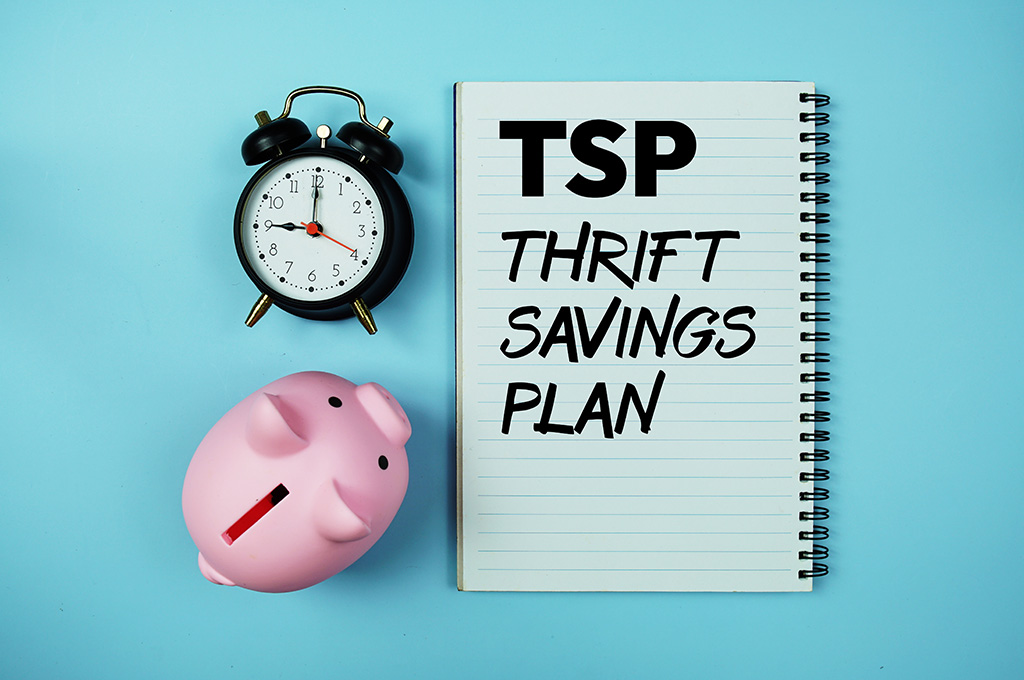
Veteran Savings Plan

When most people hear "veteran savings plan," they picture a single account they can open and start using right away. The reality is a little different. Veterans and service members have access to several distinct programs, each designed for a different financial goal, service status, and stage of life. Knowing which ones exist and what they are actually designed to do is the first step toward using them well.
What Counts as a “Veterans Savings Plan”?
Not everything that falls under the veteran savings plan umbrella looks the same. Some are investment tools, some are paycheck management systems, and some are more about building a stable financial foundation than growing wealth. Here is how each one breaks down.
Thrift Savings Plan
What it is: The TSP is the closest thing the military world has to a core long-term wealth-building account. It is available to eligible service members and federal employees, and it allows both traditional and Roth contributions.
What it’s for: This is mainly a retirement savings tool as opposed to a traditional savings account. It is built for long-term investing through payroll deductions, making it one of the most important options for service members who want to grow their money over time rather than just setting cash aside.
The benefits: A few things make TSP especially important:
It is designed for retirement: This is where long-term investing usually starts for eligible military members.
It can include matching: If you are under the Blended Retirement System (BRS), contributing enough to receive the full match is usually a strong first move.
It keeps savings consistent: Contributions can come straight from your pay, helping turn saving into a routine rather than a monthly decision.
TSP notes that eligible Blended Retirement System (BRS) and Federal Employees Retirement System (FERS) participants generally need to contribute at least 5% of basic payto receive the full agency or service match. That is a useful benchmark for anyone deciding how much to contribute first.
Best for: Active duty, Reserve, Guard, and other eligible military or federal participants who want to build long-term retirement savings.
Military Allotments
What it is: Military allotments are not really a standalone savings plan. They are an automatic paycheck-routing tool that lets service members direct part of their pay to a savings account or another approved destination.
What it’s for: This is mainly a savings habit and cash-management tool rather than an investment vehicle. It works best for people who want to make saving more automatic, whether for emergency savings, planned expenses, or rebuilding a cash cushion.
The benefits: A few things make military allotments useful:
They automate saving: You decide the amount once, and it moves from each paycheck without extra effort.
They help with short-term goals: This can work well for emergency savings, planned expenses, or rebuilding a cash cushion.
They reduce missed intentions: Many people mean to save “whatever is left over.” Allotments help ensure that saving comes first.
Unlike TSP, this is not an investment vehicle. It is more akin to a paycheck-management tool that can make saving more consistent and realistic.
Best for: Active duty and some currently serving members who want a simple, habit-based way to build emergency savings or set aside money for specific goals.
Savings Deposit Program
What it is: The Savings Deposit Program (SDP) is a specialized savings option for certain deployed service members. It is not a general-use account for all military families or veterans, because access depends on qualifying deployment circumstances.
What it’s for: This is mainly a situational savings opportunity tied to a specific deployment window, not a year-round savings strategy. It matters most to eligible service members who want to use a limited-time benefit while they qualify.
The benefits:
It is tied to qualifying service conditions: Eligibility depends on deployment circumstances, not just general military status.
It is meant for a specific window of opportunity: This is not usually a year-round savings strategy.
It can be worth serious attention if you qualify: Because access is limited, eligible service members should understand it rather than overlook it.
In other words, SDP matters a lot for the people who can use it, but it is not the default answer for someone casually searching for a veteran's savings plan.
Best for: Eligible deployed active-duty service members.
Veterans Benefits Banking Program
What it is: The Veterans Benefits Banking Program (VBBP) is not really an investment plan or a traditional savings program. Instead, it helps veterans and beneficiaries receive VA payments securely through direct deposit, connect with participating banks or credit unions, and, in some cases, access free financial counseling.
What it’s for: This is primarily a financial access and banking stability tool rather than a savings growth vehicle. It is especially relevant for veterans seeking to address foundational issues such as safe benefit deposits, better banking access, or a more stable financial setup.
The benefits:
It supports safer benefit access: Direct deposit is usually more secure and reliable than paper checks.
It helps connect veterans with banking options: That can be valuable for those who are unbanked or underbanked.
It may offer added support: Some veterans may also be able to access financial counseling through the program.
While VBBP is not a savings-growth tool like TSP, it can still play an important role in financial stability, making it worth listing amongst “veteran savings plans”. For some veterans, building savings starts with establishing a solid banking foundation.
Best for: Veterans and beneficiaries who want secure direct deposit, access to participating banking options, and a stronger financial foundation.
Choosing the Right Option
The best veteran savings plan depends less on which program sounds best on paper and more on where you are in your military or post-service journey. Some options are built for long-term retirement investing, others for automating short-term saving, others apply only during qualifying deployments, and others are more about creating a safer banking foundation for receiving benefits.
That is why the smartest way to choose is to start with two questions:
What is your current status?
What are you trying to do with the money?
Once you answer those, the right path usually becomes much clearer.
Decision Tree: Which Option Fits Best?
The Right Plan Is One That Fits Your Life
A veteran savings plan is not one-size-fits-all, and that is not a flaw in the system. It means there are options built for where you actually are, whether that is active duty, deployed, transitioning out, or already a veteran managing benefits. The key is matching the right tool to the right goal. Start with what you are trying to accomplish, look at what you currently have access to, and build from there.